
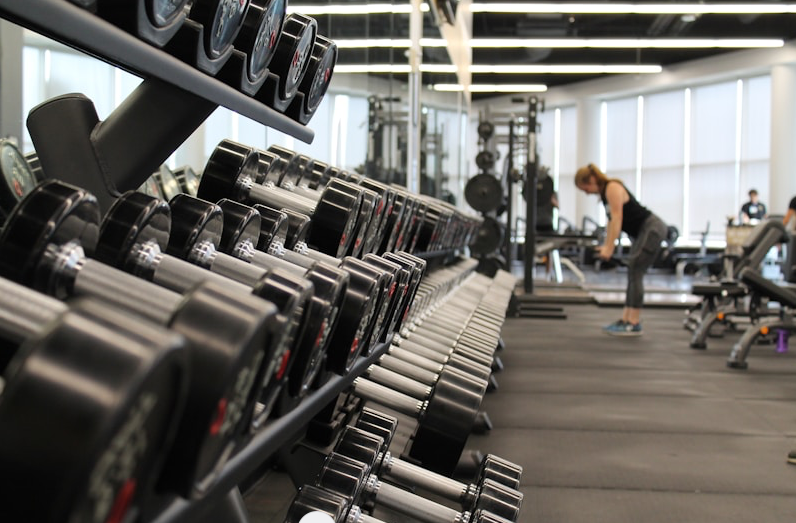
When most people think about strength training, they picture bodybuilders lifting heavy weights in pursuit of a sculpted physique. But the truth is, strength training is one of the most powerful and scientifically supported tools available for living a longer, healthier, and more functional life. It is not just about how you look. It is about how well you live, and for how long.
The Science Behind Strength and Aging
As we age, our bodies naturally begin to lose muscle mass in a process called sarcopenia. Beginning as early as our thirties, we can lose three to five percent of muscle mass per decade without intentional resistance training. This loss of muscle leads to decreased strength, reduced mobility, increased risk of falls and fractures, and a significant decline in overall quality of life.
The good news is that strength training directly combats this process. Regular resistance training preserves and builds muscle mass at any age, keeping the body strong, functional, and resilient well into the later decades of life. Research consistently shows that individuals who strength train regularly live longer and maintain greater independence as they age.
Stronger Bones, Stronger Body
Beyond muscle, strength training plays a critical role in bone health. Osteoporosis, a condition characterized by weak and brittle bones, affects millions of people worldwide and significantly increases the risk of fractures and injury. Weight-bearing and resistance exercises stimulate bone density, reducing the risk of osteoporosis and keeping your skeletal system strong and healthy.
This is particularly important for women, who are at a higher risk of bone density loss following menopause. Consistent strength training can be one of the most effective strategies for protecting long-term bone health.
Metabolic Health and Disease Prevention
Strength training does far more than build muscle and bone. It plays a significant role in metabolic health by improving insulin sensitivity, regulating blood sugar levels, and reducing the risk of type 2 diabetes. It also supports cardiovascular health, lowers blood pressure, and helps manage healthy body composition by increasing lean muscle mass and reducing body fat.
Studies have also linked regular strength training to a reduced risk of certain cancers, improved cognitive function, and lower rates of depression and anxiety. The benefits extend far beyond the physical, touching every dimension of health and well-being.
It Is Never Too Late to Start
One of the most encouraging facts about strength training is that it is never too late to begin. Studies have shown that adults in their sixties, seventies, and even eighties can experience significant gains in muscle mass, strength, and functional ability through consistent resistance training.
Final Thoughts
Strength training is not just a fitness trend. It is a lifelong investment in your health, independence, and vitality. No matter your age or current fitness level, picking up those weights may be one of the most important decisions you ever make.
Start strong. Stay strong. Live longer.